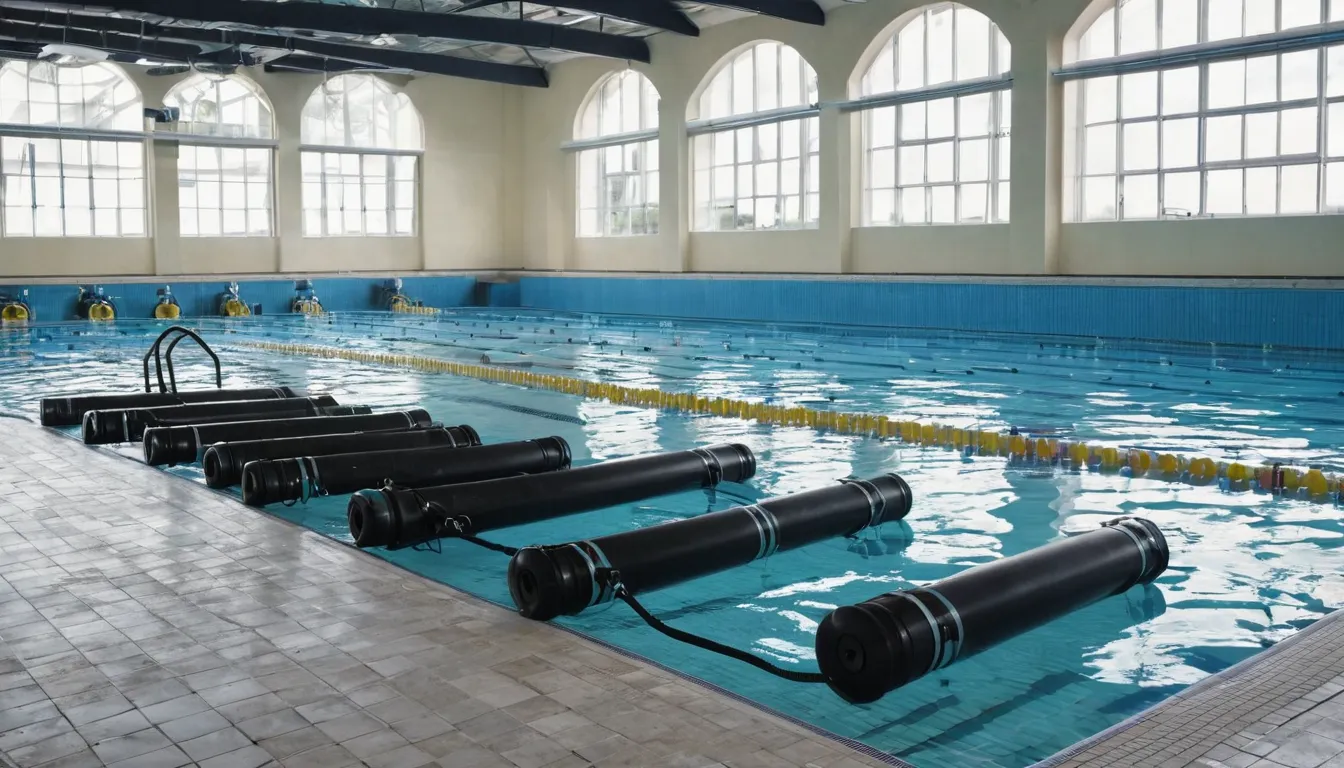
The first session
Most people remember their first breath underwater. It usually happens kneeling or standing in shallow water, with the instructor close by. Breathing through a regulator feels odd for a minute, then quickly becomes normal. The instructor will remind you to breathe slowly and deeply and never to hold your breath.
From there, sessions follow a pattern. The instructor explains a skill at the surface, demonstrates it underwater, then watches each student do it. You repeat it until it is smooth. Later sessions build on earlier ones, often in slightly deeper water.
Skills courses commonly include
The exact list and order come from your agency's standards. These are the kinds of skills you can expect.
- Assembling and checking gear. Fitting the BCD and regulator to the cylinder, checking the gas supply and taking it all apart afterward.
- The pre-dive buddy check. You and your buddy check each other's buoyancy device, weights, releases, air and overall fit before every dive. Courses teach a memory phrase for it.
- Clearing a mask. Letting water in, then blowing it out through your nose. Later you remove and replace the mask completely.
- Recovering and clearing a regulator. Finding the mouthpiece if it falls out and clearing water from it.
- Buoyancy control. Adding and venting small amounts of air and using your breathing to rise and sink gently, then hovering without touching the bottom.
- Sharing air. Signaling that you are out of air and breathing from your buddy's spare mouthpiece, then doing the same as the donor.
- Controlled ascents. Rising slowly while breathing out continuously, as you would if you had a gas problem near the surface.
- Surface skills. Swapping between snorkel and regulator, inflating your BCD orally, removing and replacing your weights and BCD at the surface, and helping a tired buddy.
- Cramp release and swimming. Easing a leg cramp underwater and swimming efficiently with fins.
If a skill makes you nervous
Mask clearing is the skill that most often unsettles new divers. Having water on your face while breathing through your mouth goes against instinct. It helps to practice in the shallow end, to breathe out steadily through your nose and to remember that you can still breathe from the regulator the whole time. Tell your instructor if a skill worries you. Taking it in smaller steps is normal and good teaching allows for it.
Making pool time count
- Arrive rested, fed and with enough time. Rushing makes everything harder.
- Bring a mask that fits you, if you own one. A leaking mask makes every skill harder.
- Watch the demonstration closely and ask to see it again if you need to.
- Practice hovering whenever you are waiting. Good buoyancy is the skill that makes every later dive easier.
- After each session, note what felt shaky and ask to repeat it next time.
Pool skills FAQ
How deep is the pool part?
Usually shallow at first, and rarely deeper than a typical pool's deep end. Some schools use calm, shallow open water instead of a pool.
What if I can't equalize my ears in the pool?
Stop, rise a little and try again gently. Never force it. If it keeps happening, tell your instructor and talk to a doctor before continuing.